
Positive ways to respond to everyday challenges
Little children can have BIG emotions. And that can mean meltdowns, bedtime battles and aggressive behavior. Parents and caregivers need positive solutions that really work, for all kinds of situations.
- When children get better at things like routines, sharing, and getting along with others, family life gets a lot better.
- Children gain valuable life skills like problem-solving to help them now, and in the future.
- Children can learn to talk about strong emotions and handle them calmly.
Why do parents love Triple P?
Triple P gives families positive strategies that are proven to work. The program can be adapted to suit any situation. Hundreds of research studies show its effectiveness. And it's totally up to you how to use it.
- It’s a toolbox, not a rulebook. You get the strategies and knowledge. You choose what tools to use, when, and how.
- What you do today helps create a better future for your child.
- Parents from more than 25 countries have discovered how small changes make a big difference!
What parents say about Triple P

Emily, mother of 1
"I feel like I’m equipped with the knowledge and tips and tricks to manage tantrums and day-to-day challenges.”

Greg, father of 2
“You know you’re learning to be a better parent, so I was happy to do [Triple P Online]. I didn’t find it hard; it was for a good cause.”

Vi, mother of 2
“The program [Teen Triple P Online] wasn’t judgmental, and I liked that, as well as the focus on giving praises, which as a single mom you can forget, because in many ways you’re in survival mode.”
Backed by research. Proven by parents.
We help parents and families around the world, in more than 30 countries. In fact, millions worldwide have been helped by Triple P. So we can help you, too!
Children under 12? Register to do Triple P Online FREE!
Thank you for your message!
We’re here to help your family
We will reply to your email as soon as we can.
(Don’t forget to check your inbox and junk/spam emails for our reply.)
You might be interested in…

Preventing temper tantrums
Some things parents do to try to stop tantrums can actually make them worse. Find out more about why tantrums occur.
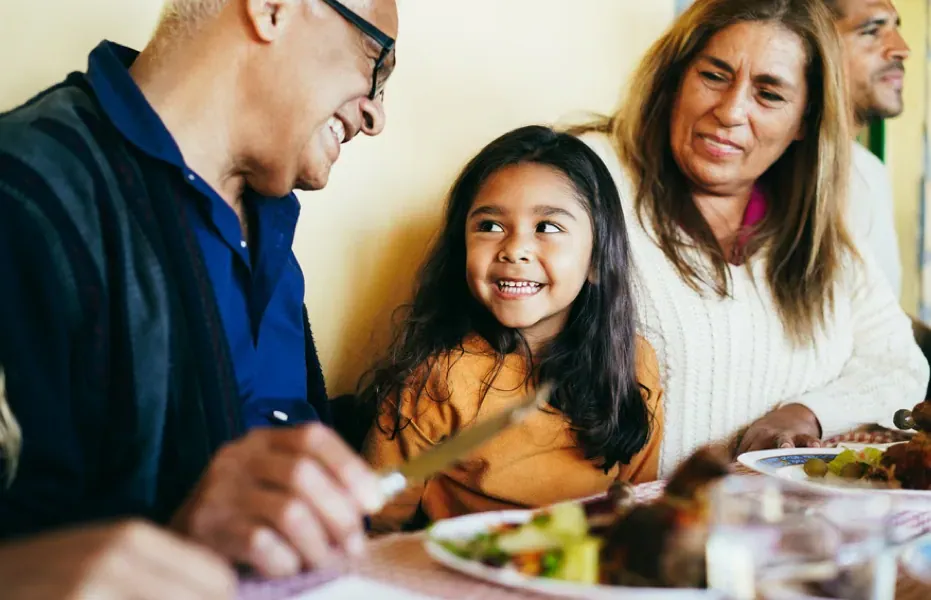
Modeling emotional well-being for children
You'd like your child to have self-confidence, independence, and the ability to manage their emotions, right? Well, it all starts with you. Take a look!
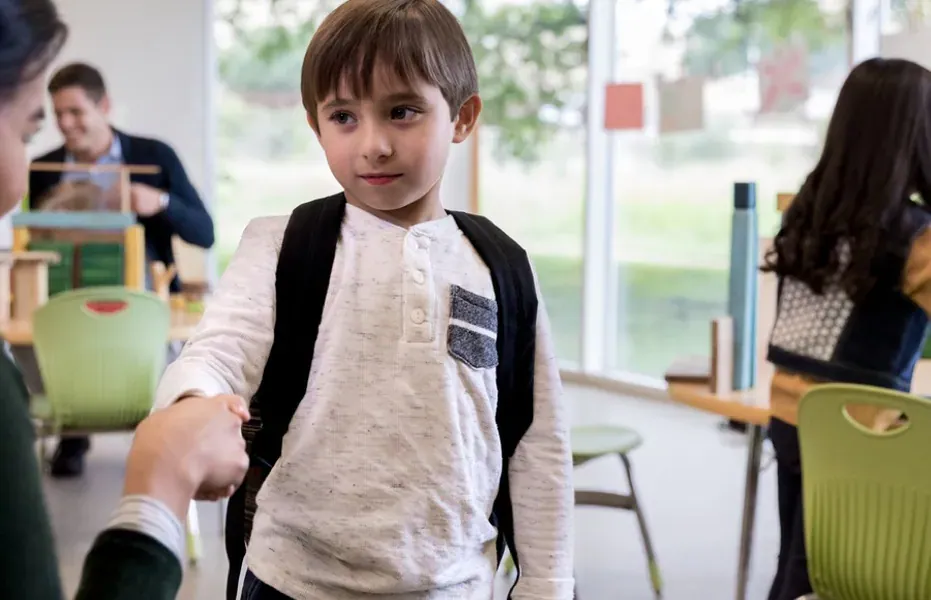
Managing strong emotions
It’s a big world out there! Support your child’s emotional coping skills and it’ll help them throughout their whole life.